PPWR: what is settled, what isn't, and why it matters to prepare your packaging design to compliance now
The EU PPWR is now in force, but key methodologies are still being defined. See what is fixed, what remains unclear, and why you should prepare.

2 August 2026
Across this series we’ve looked at what the PPWR actually requires, and where the rules are still being written. Some topics we’ve looked at in detail:
Put together, these rules can lead to a lot of of redesign work. Which is exactly why this final article is worth reading before you start.
Here is the danger. Compliance does not equal sustainability improvement. A package can meet every PPWR target and still be worse for the environment and your bottom line than what it replaced. They are different measurements. The regulation checks a defined set of attributes: recyclability grade, recycled content share, reuse rate. It does not check whether the impact over your packaging’s life cycle went down, in environmental or economic terms. To confirm that, you need an LCA and a life cycle costing alongside the ecodesign project, so the change holds up in environmental and economic terms too.
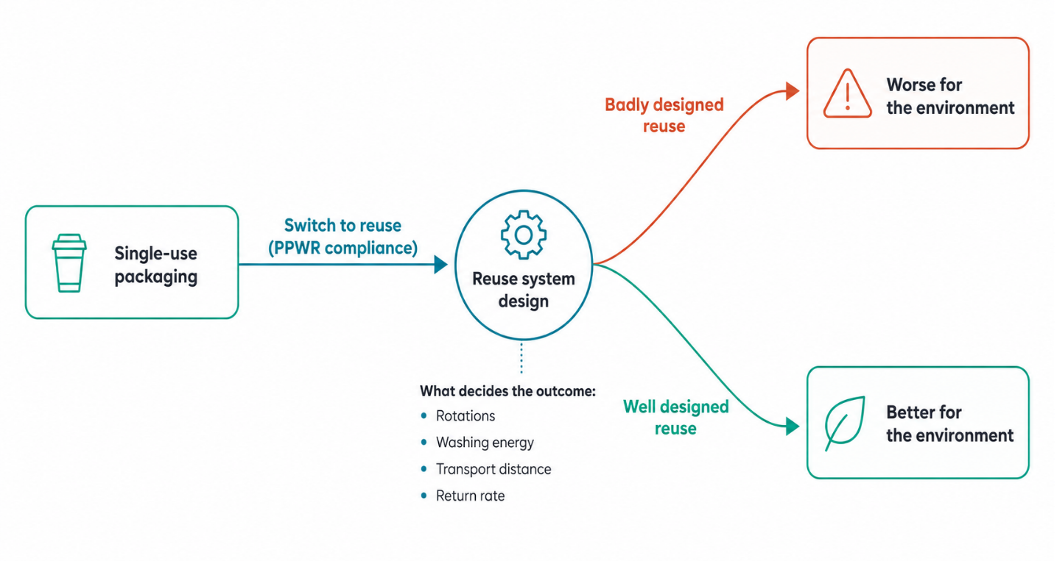
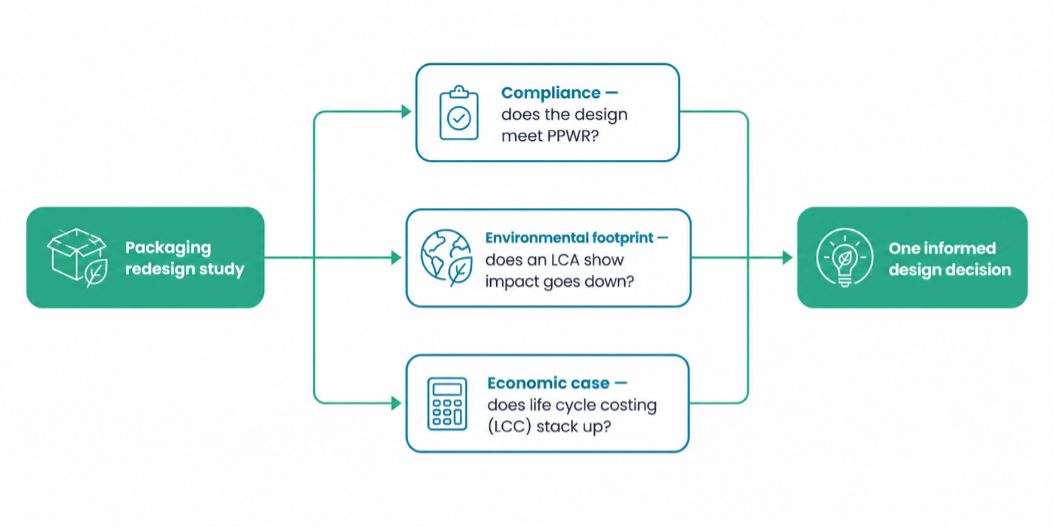
So if you’re already rebuilding your packaging to comply, that is precisely the moment to check whether the ecodesign genuinely reduces impact. The ecodesign, the Life Cycle Costing (LCC) and the LCA are really one exercise, run once. Three questions get answered at the same time:
There’s a cost angle underneath all this that has nothing to do with compliance. Carbon is increasingly a cost rather than a reporting line. The EU’s carbon markets are expanding, through the Emissions Trading System and the Carbon Border Adjustment Mechanism. Their scope keeps widening to cover more products and the carbon embedded in them. CBAM does not cover finished packaging today. But the direction of travel is one way. The embedded carbon in the materials you buy is increasingly priced somewhere up your supply chain, whether or not it shows up on your invoice yet.
EPR fees point the same way. Under the PPWR, producer responsibility fees are modulated by recyclability grade, so a better-designed package pays less to the scheme. Most EPR schemes also take into account recycled content and reusable packaging in the fee calculation. This is the internalisation of externalities in practice: the environmental cost of a design choice is turning into a direct financial cost to the producer. The design decision that lowers your life cycle impact is increasingly the same one that lowers what you pay, in carbon exposure and in EPR fees alike.
That is where life cycle costing comes in: putting a number on the economic case alongside the environmental one, you can look at design solutions that lead the two arguments to reinforce each other rather than compete for budget.
There is one more measurement that sits outside the regulation entirely: your own commitments. Many companies now have carbon-neutrality roadmaps and other internal footprint reduction targets (biodiversity, water etc.). A packaging change that satisfies the PPWR but works against these trajectories is a problem the regulation will never flag for you. Back up your ecodesign process with holistic information is how you check that compliance, cost, sustainability and your own strategy are pulling in the same direction.
This is what we do. We support your redesign work with ecodesign services backed up by regulatory knowledge, LCA expertise, paired with economic studies such as life cycle costing. So that compliance, genuine impact reduction and smart business really come together.
Our methods, which combine listening to your needs, facilitating collective intelligence and technical and scientific expertise, are designed to help you achieve your objectives – and set new ones!
The PPWR takes effect in a few days (12 August). It is settled enough now to act on, and waiting for every delegated act to land is not the smartest strategy. The companies that come out of this well will treat compliance as a starting point, not a finish line. It’s the reason to finally ask a question they should have been asking anyway. Does this packaging actually reduce our environmental impact? Or does it just satisfy the rules as they are written today?
This was the last article in our series on the PPWR. Across five articles, one point kept returning: the regulation is settled enough to act on, but compliance and sustainability are not the same thing. The companies that treat the two as one exercise are the ones that will come out ahead.
The EU PPWR is now in force, but key methodologies are still being defined. See what is fixed, what remains unclear, and why you should prepare.
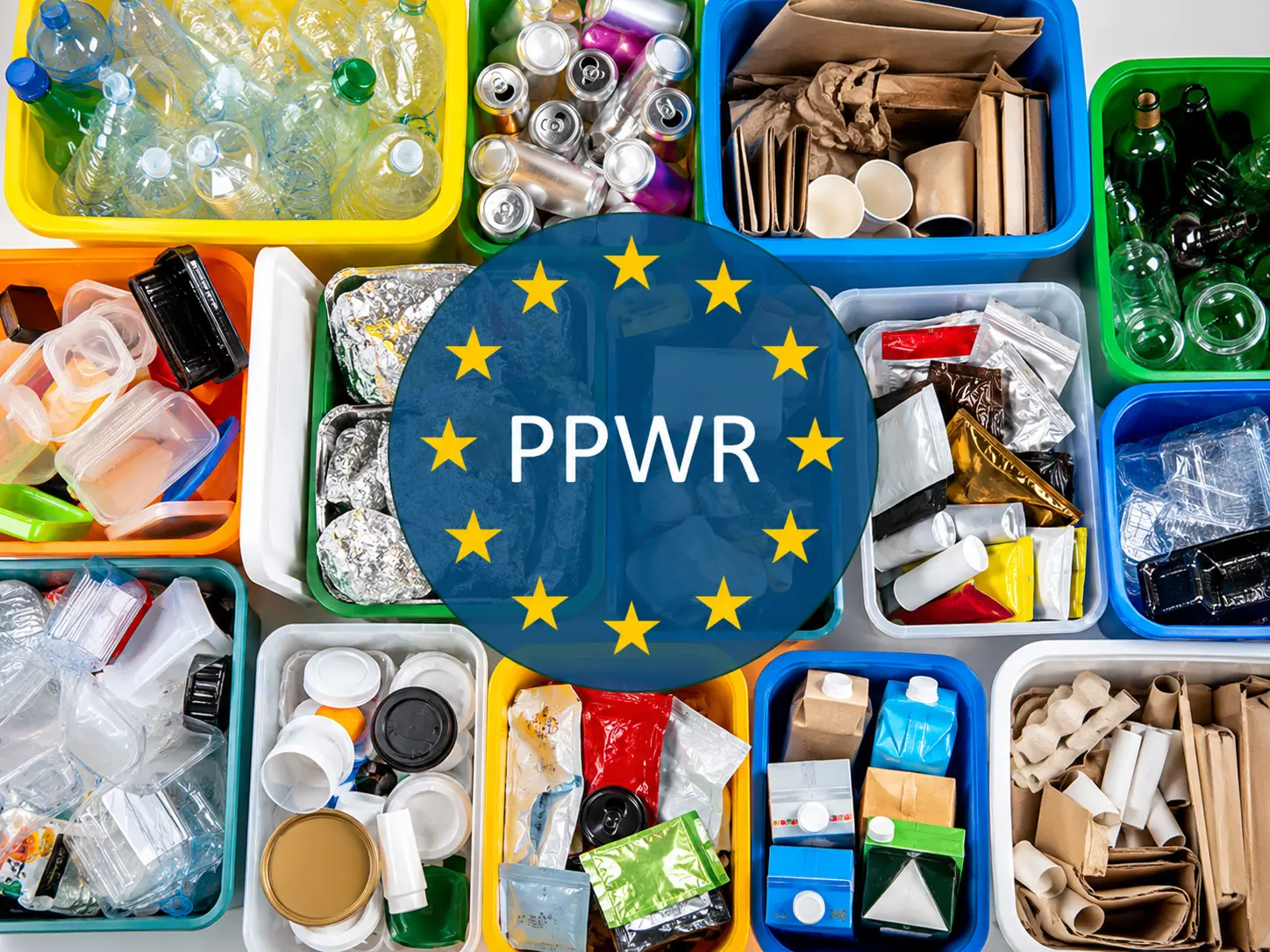
PPWR will grade packaging recyclability from A to C. Learn what is already fixed, what remains unclear, and how to prepare your packaging redesign now.
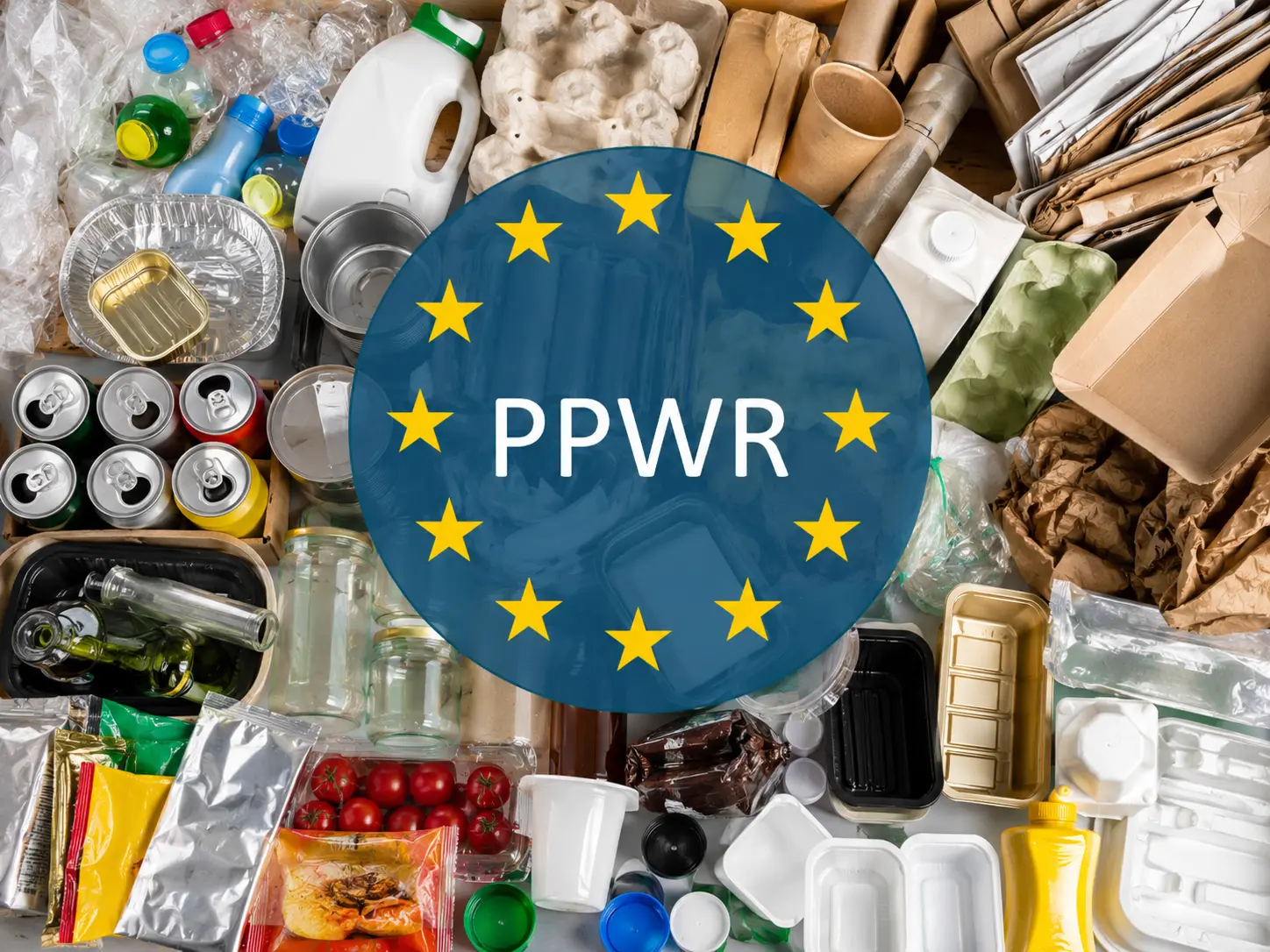
PPWR sets recycled-content targets for plastic packaging from 2030. Learn what is fixed, what remains unclear, and how to prepare your strategy now.
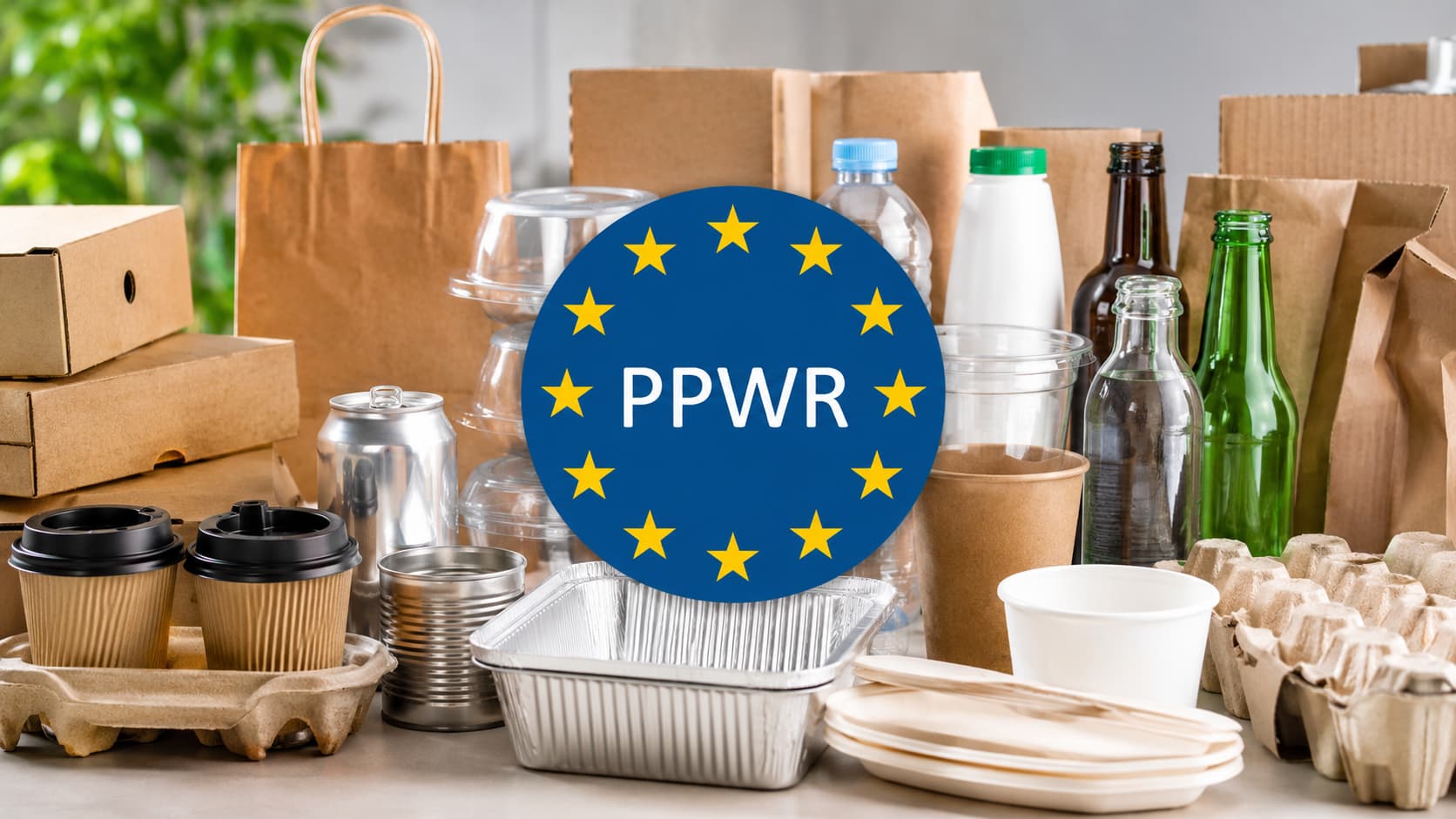
PPWR sets reuse targets for 2030, but key rules remain open until 2027. Learn what this means for reusable packaging, LCA and compliance.


